







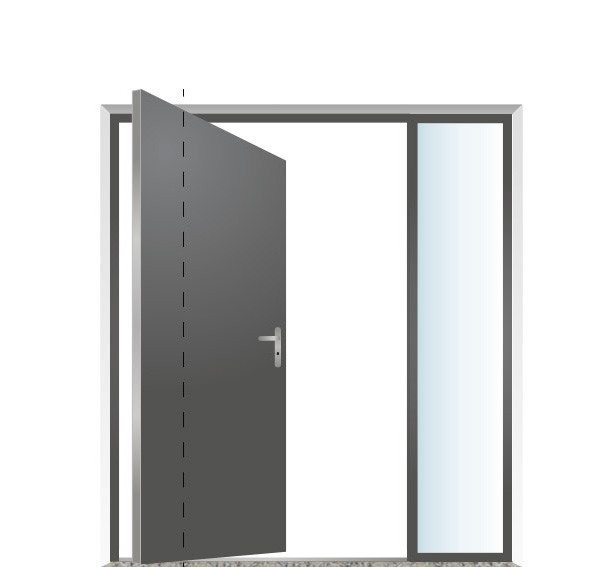
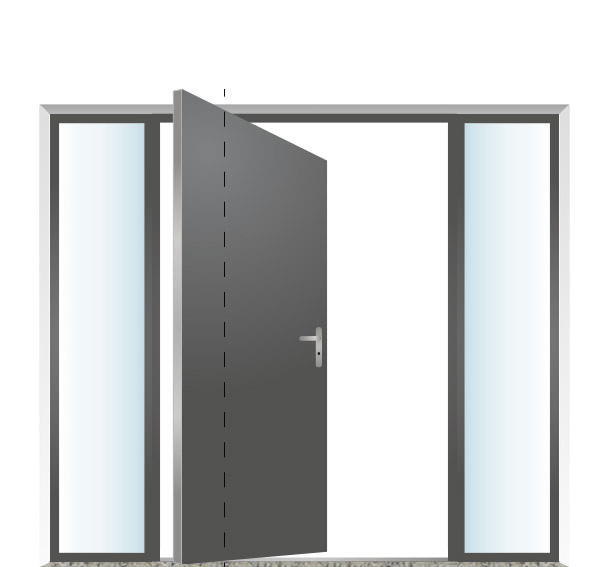





Bi-Fold or French Doors: Which is Better?
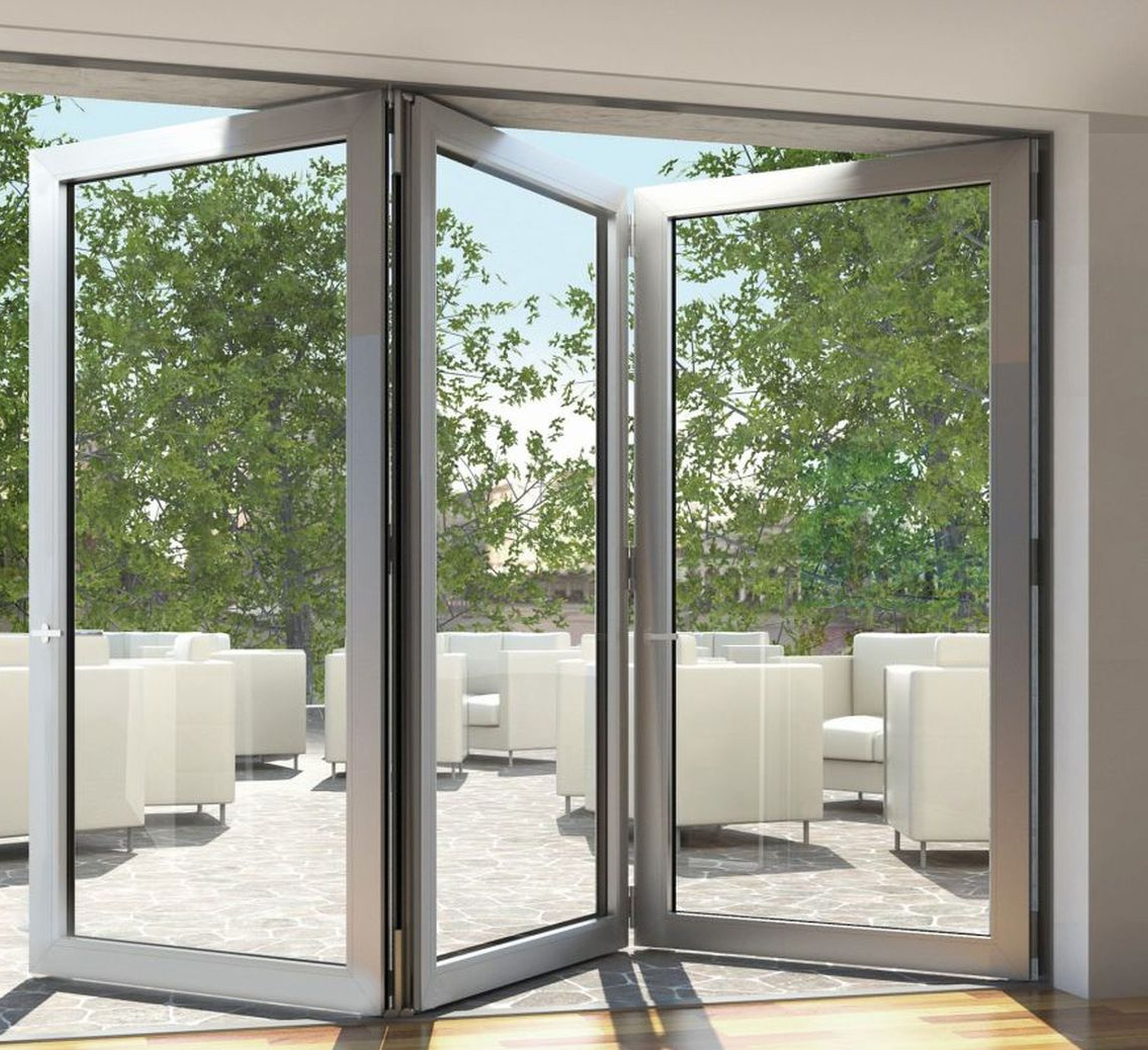
As contemporary homeowners and property developers aim to maximize natural light and create smooth connections between indoor and outdoor areas, bifold and French doors have surged in popularity. But what sets them apart? These two door styles each bring unique benefits and visual charm, making them excellent options for those seeking stylish, dependable, and high-quality solutions for their homes or projects. In this article, we’ll explore the main differences between bifold and French doors, highlighting their distinctive features, advantages, and important factors to consider, helping you choose the best option for your needs.
Visual Appeal and Look
Bifold doors excel at offering an uninterrupted view and enhancing visibility. Thanks to their folding design, they can open up large spaces, creating a smooth connection between indoor and outdoor areas while providing expansive panoramic views. In contrast, French doors feature a balanced and timeless design that complements traditional and heritage-style homes, adding a touch of sophistication and elegance, though they are better suited for smaller openings.
Thermal Efficiency
If effortless access and clear, unobstructed pathways are your top priorities, bifold doors present a distinct benefit. Their folding mechanism allows them to open completely, creating a smooth, continuous flow between indoor and outdoor areas without any barriers. In contrast, French doors open in a traditional manner, needing enough room to swing fully open. Although French doors remain practical, bifold doors are especially ideal for areas where you want to maximize accessibility.
Installation Procedures and Key Factors
The methods for fitting bi-fold and French doors vary considerably, making it crucial to understand the distinct requirements of each style.
Bi-Fold Door Installation Because bi-fold doors incorporate several panels and intricate hardware, their setup demands professional knowledge and meticulous planning.
-
Precision and Support: It is vital to align the tracks accurately and balance the panels to guarantee effortless movement. Furthermore, the structural integrity of the doorway must be robust enough to handle the doors' heavy load.
-
Space Management: A major factor to keep in mind is ensuring there is enough room for the panels to gather together when completely open. This might necessitate modifying the adjacent floors or walls.
-
Layout Impact: The direction in which the doors fold out will directly influence your room's overall design and usability. To guarantee that every part is installed accurately and works flawlessly, hiring an expert is strongly advised.
French Door Installation Even though French doors are generally easier to put in, they still demand precise execution and attention to detail.
-
Alignment and Sealing: Because of their dual-door setup, flawless alignment is necessary to achieve a tight seal and easy movement.
-
Structural Stability: To hold the doors' weight and avoid sagging or unevenness in the future, the hinges and frame need to be anchored firmly. The doorway itself must also be prepped correctly, incorporating any tweaks needed for optimal insulation and a tight fit.
-
Versatility vs. Clearance: A distinct benefit of French doors is their versatility in different areas, particularly in narrower doorways unsuitable for bi-fold setups. However, you must factor in the clearance required for the doors to swing outward or inward, as this impacts how the room can be arranged.
Just like with bi-fold systems, bringing in a professional to install French doors is the best way to make sure they are fitted perfectly and function seamlessly over time.
Price Comparison: Bi-Fold vs. French Doors
The total expense for both bi-fold and French doors fluctuates significantly based on dimensions, material choices, and the difficulty of the setup. Evaluating these financial variables is crucial for making a choice that aligns with your budget.
Bi-Fold Door Expenses These systems are generally the more costly option, largely because of their intricate engineering and material demands.
-
Hardware and Design: The combination of multiple folding panels and sliding tracks demands premium, heavy-duty parts to guarantee lasting and effortless movement, which drives up the base price.
-
Installation Fees: Because fitting bi-fold doors is a complicated task that usually demands professional skills and precision, labor costs are noticeably higher.
French Door Expenses While typically more economical than bi-fold systems, the price of French doors still depends heavily on your specific design and material choices.
-
Premium Options: Classic timber French doors sit at the higher end of the pricing spectrum, as the natural wood and artisanal craftsmanship increase the price tag.
-
Budget-Friendly Alternatives: If you are looking for a more cost-effective route, modern uPVC and aluminum frames offer excellent durability and style while keeping overall costs down.
Upkeep and Longevity
Factoring in the expected lifespan and required maintenance is essential when deciding between French and bi-fold doors, as these elements directly influence their lasting visual appeal and functionality.
Maintaining Bi-Fold Doors Because they feature a complex track mechanism and several moving sections, bi-fold systems demand consistent, routine care.
-
Hardware Care: To keep the doors gliding effortlessly, it is highly important to regularly clear dirt and debris from the bottom tracks and apply lubricant to the rollers and hinges.
-
Glass and Seals: Routine washing of the glazing keeps the panels looking pristine, while checking and updating the weatherstripping is vital for maintaining optimal thermal insulation and energy efficiency.
Maintaining French Doors Although their mechanics are more straightforward, French doors still rely on routine attention to maximize their durability.
-
Basic Servicing: Keeping the locks and hinges well-oiled, alongside frequent glass cleaning, is necessary to keep them operating smoothly.
-
Material-Specific Needs: The level of care heavily depends on the frame material. Traditional timber frames will need to be restained or repainted every few years to protect the wood from the elements. Conversely, modern materials like aluminum or uPVC are highly resilient and require very little ongoing attention.