








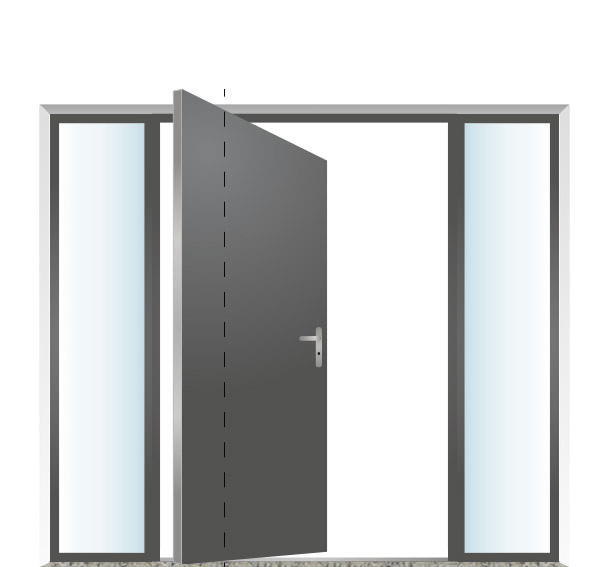





Windows
-
-
-
-
-
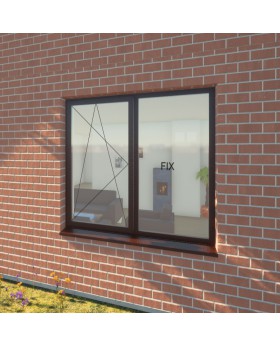
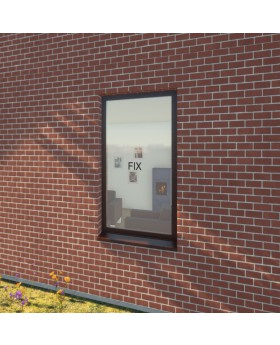
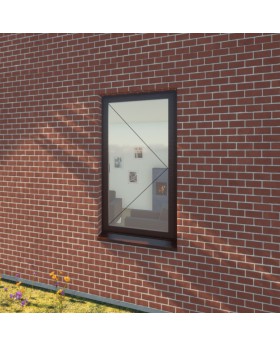
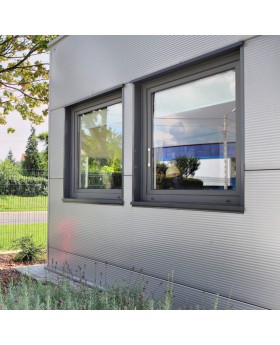
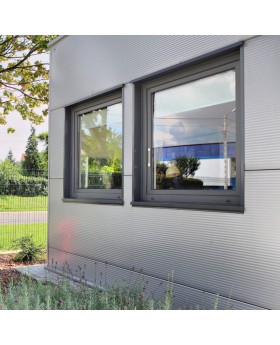
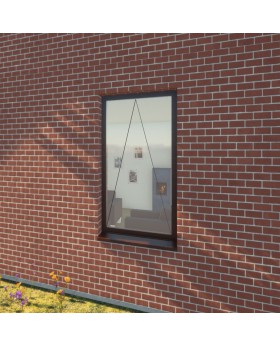
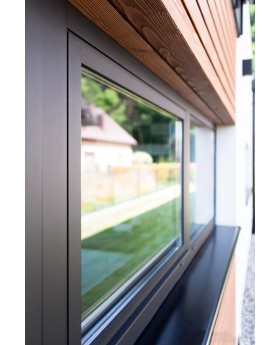 AL86-D1 - Double aluminum window - tilt and turn / fixedCA$2,105.00
The price includes TAX & shipping
-
-

-
-
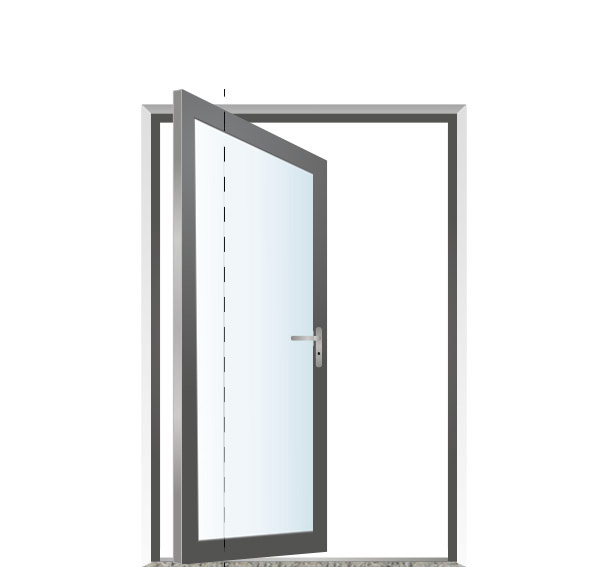
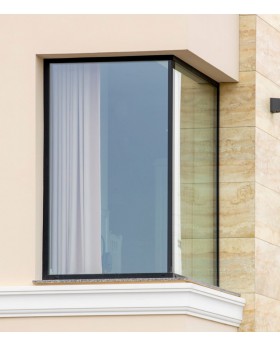
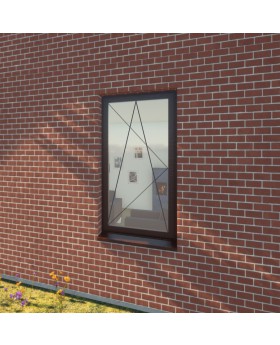
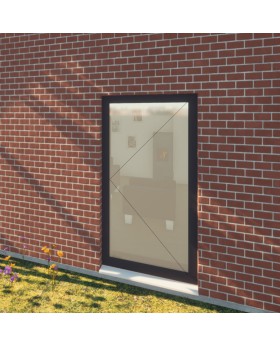
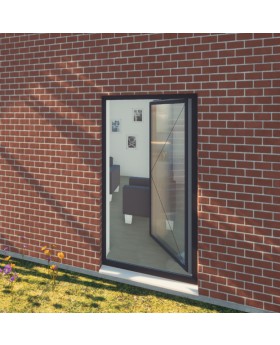
AL86-B4 - tilt and turn balcony double door (inside opening)CA$2,100.00
The price includes TAX & shipping
-
-
-
-
Aluminum or PVC windows – which choice works best for a modern home?
Choosing the right windows influences not only the visual character of a building but also its comfort, functionality, and energy performance. Already at the planning stage, many investors ask themselves: should I opt for aluminum or PVC windows? Both solutions offer clear advantages, yet aluminum systems are becoming increasingly popular among homeowners, architects, and developers, particularly in contemporary, energy-efficient single-family homes. Below, we outline the most important aspects to consider before making a decision.
What distinguishes aluminum windows from PVC windows?
Selecting a window material is a key decision that affects more than just appearance—it also determines durability, thermal efficiency, and long-term performance. In the following section, we compare the main differences between aluminum and PVC window systems.
Materials:
PVC (Polyvinyl Chloride) is a synthetic material commonly used in window production due to its durability, resistance to weather conditions, and affordability. It is lightweight and offers very good thermal and acoustic insulation, making it a practical solution for many residential applications.
Aluminum, by contrast, is valued for its exceptional strength and corrosion resistance. These properties make it ideal for modern designs featuring large glazing areas. Thanks to its rigidity, aluminum allows for slim profiles and expansive glass surfaces while maintaining excellent structural stability.
Key Features:
Durability – Aluminum windows are far more resistant to mechanical damage and harsh weather conditions than PVC alternatives. They retain their shape even under significant temperature changes, which makes them especially suitable for commercial and public buildings.
Thermal Insulation – PVC naturally provides strong thermal insulation due to its internal structure. Multi-chamber PVC profiles effectively limit heat loss and support energy efficiency. While aluminum once had a reputation for poor insulation, modern systems equipped with thermal breaks now achieve insulation levels comparable to PVC.
Aesthetics – Aluminum is a favorite in modern architecture thanks to its clean lines, narrow frames, and minimalist look. PVC, however, offers a wide range of finishes and colors through veneering, allowing for greater flexibility in matching different styles.
Typical Uses:
PVC windows are most often used in residential construction, including both new homes and renovation projects. Their strong insulating properties and minimal maintenance requirements make them ideal for private houses where comfort and cost control are priorities.
Aluminum windows are commonly selected for projects that focus on large glass surfaces and a modern aesthetic, such as office buildings, retail spaces, and premium apartment developments. Their strength and design freedom enable impressive, long-lasting installations where appearance and durability are equally important.
Advantages and Disadvantages of PVC Windows
PVC windows remain one of the most popular choices in the window market. Their popularity is driven by numerous benefits, although they also have certain drawbacks. Below is an overview of the main pros and cons.
Affordability – PVC windows are known for their competitive pricing, making them accessible for a wide range of budgets. Purchase and installation costs are generally lower than those of aluminum or wooden windows, while still offering dependable quality and durability.
Thermal Performance – PVC is an excellent insulating material. Its multi-chamber profile design helps maintain stable indoor temperatures, improving comfort and reducing energy consumption. As a result, PVC windows can significantly lower heating and cooling costs.
Easy Installation – Compared to aluminum or wood, PVC windows are relatively lightweight, which simplifies and accelerates the installation process. This can be especially advantageous for renovations or projects with tight schedules.
Disadvantages of PVC windows:
Lower resistance to extreme conditions – Although PVC resists moisture and mold well, it can be less durable under extreme temperatures or prolonged UV exposure. In such conditions, frames may deform or fade over time.
Design limitations – Despite improvements in finishes and color options, PVC windows generally cannot match the refined appearance or slim profiles achievable with aluminum or wood. Their thicker frames may be less appealing in modern architectural designs.
Advantages and disadvantages of aluminum windows
Aluminum windows are highly valued in modern construction for their elegant appearance and strong performance characteristics. While they offer many benefits, they also have a few limitations, which are outlined below.
Excellent weather resistance – Aluminum performs exceptionally well in challenging weather conditions, including rain, snow, and temperature extremes. It does not corrode, warp, or crack, making it ideal for demanding climates.
Modern, slim profiles – Aluminum window systems feature narrow frames that increase the glass surface area and enhance the contemporary look of a building. They are available in natural metallic finishes as well as a wide selection of powder-coated colors, allowing them to complement any architectural style.
Exceptional longevity – Aluminum is a highly durable material, ensuring that windows retain their functionality and appearance for many years. Although the initial cost is higher, minimal maintenance requirements make aluminum a cost-efficient solution in the long term.
Disadvantages of aluminum windows
Higher initial investment – One of the main downsides of aluminum windows is their higher purchase price compared to PVC or wooden options. This results from the cost of raw materials and more advanced manufacturing processes.
Thermal insulation challenges – Traditional aluminum windows were often criticized for poor insulation due to aluminum’s high thermal conductivity. Without thermal breaks, they could contribute to heat loss. While modern aluminum systems now include advanced thermal barriers, older models may still fall short in energy efficiency.