









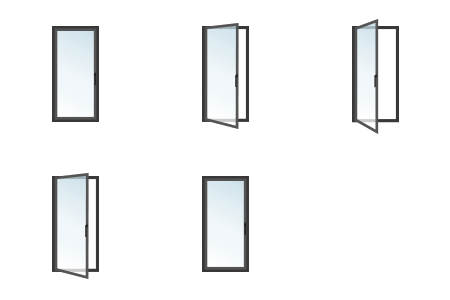
Aluminium modern and traditional casement windows
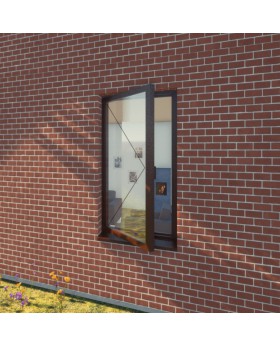
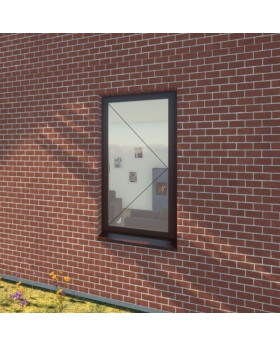
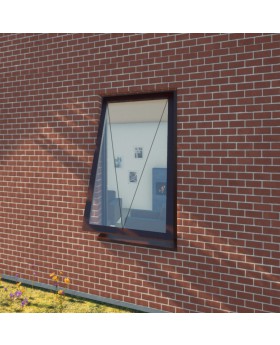
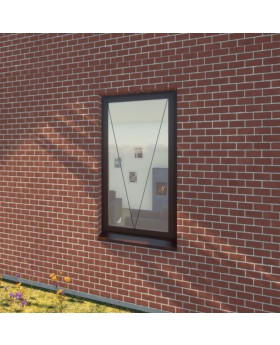
Casement windows bring together visual appeal, safety, and everyday functionality, making them a popular option for homeowners. As one of the most widely used window types, they are mounted on hinges positioned on the side, top, or bottom and typically open outward to provide excellent airflow. Available in numerous styles, dimensions, and colour options, casement windows can complement virtually any home design. Our experienced window specialists offer clear, practical advice on all aspects of casement windows—from pricing to choosing the right design—so you can make a confident and well-informed choice.
What are casement windows?
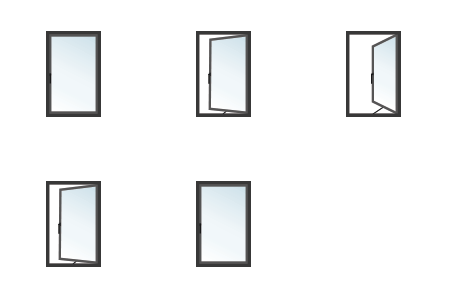
Casement windows operate using a hinge mechanism that secures the sash to the side, top, or bottom of the frame. Depending on the design, they can open outward to the left or right, or inward. A latch or crank handle, positioned opposite the hinges, is used to open and close the window and also serves as a secure locking system. Casement windows are valued for their excellent ventilation, unobstructed views, enhanced security, and strong energy performance. Most manufacturers also offer a wide selection of casement window styles to suit different preferences.
Single casement
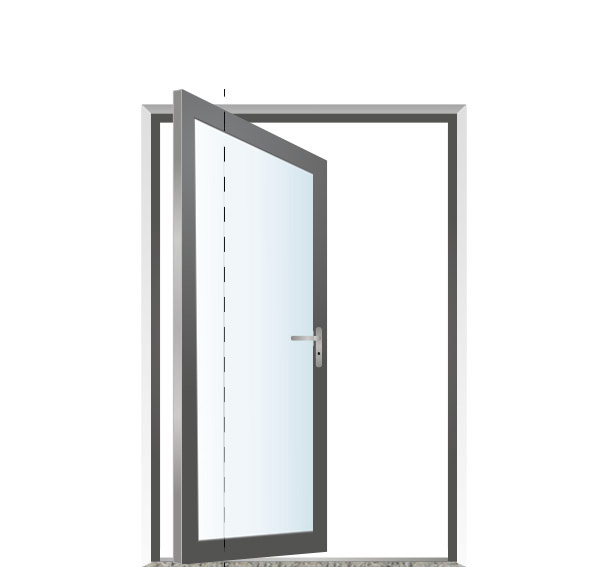
Single casement windows consist of one large glass pane hinged on a single side, allowing the window to open inward or outward. Their clean, simple design is both elegant and versatile, making them suitable for a variety of architectural styles, from traditional homes to contemporary buildings.
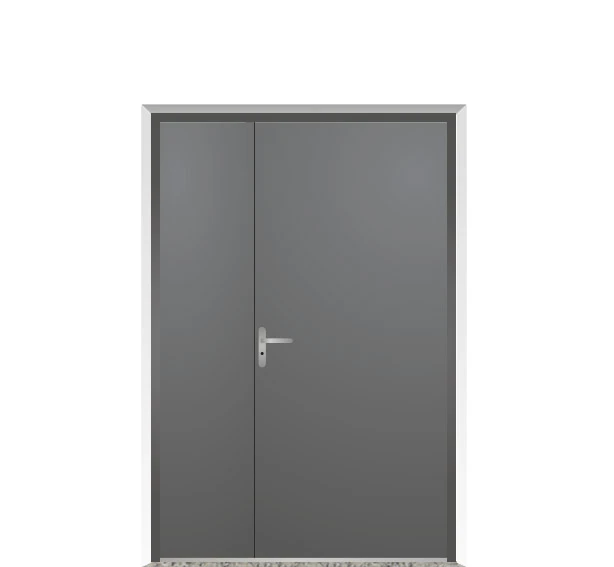
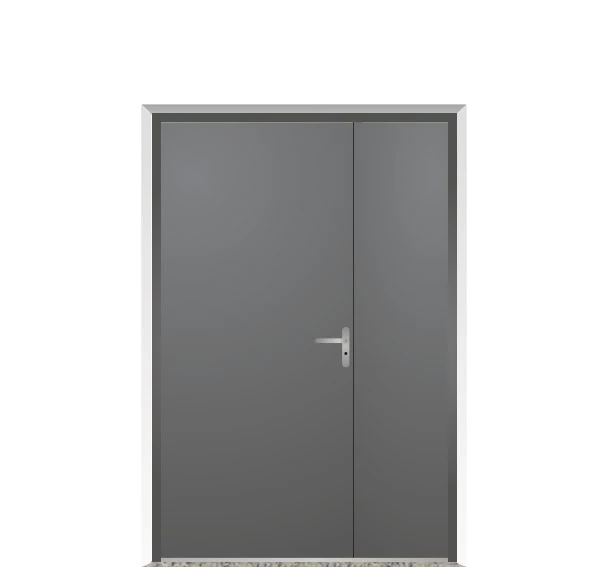
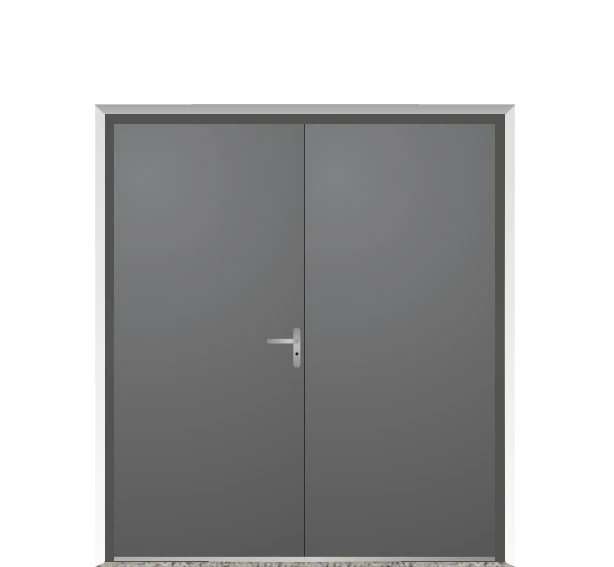
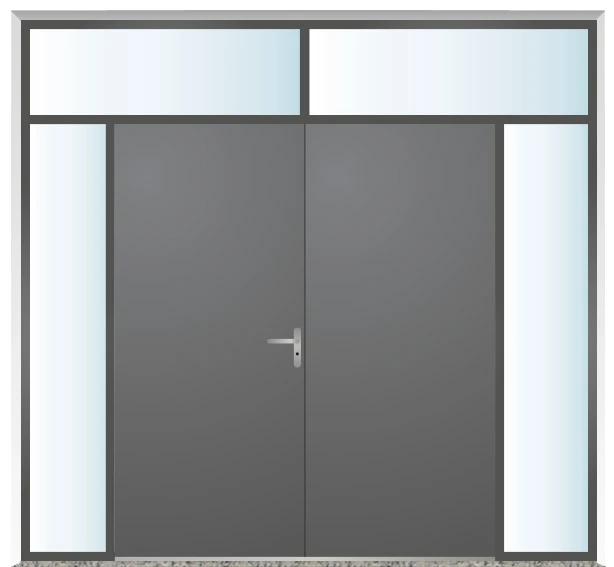
Double, or French, casement
Push-out casement
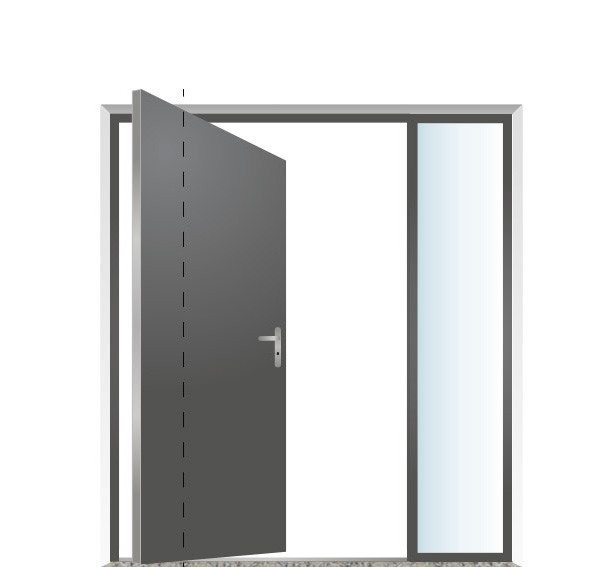
Push-out casement windows use simple handles that allow the sash to be opened manually, without the use of a crank mechanism. Compared to traditional crank-operated designs, push-out casement windows offer a more minimal and refined appearance, making them a great choice for interiors that emphasize clean lines and simplicity.
Swing-in casement
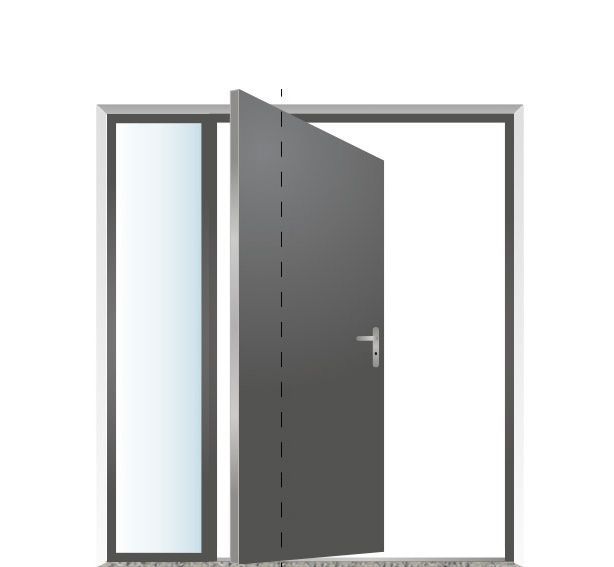
Swing-in casement windows are designed to open inward, which makes them especially useful in situations where outdoor space or obstacles prevent outward opening. This inward-opening design also allows for easier cleaning from inside the building. Offered in a range of styles and operating options, casement windows suit many types of homes and architectural designs while delivering reliable performance, improved security, and enhanced energy efficiency. Their adaptability to both aesthetic and practical requirements has made them a popular solution in residential properties.
Before selecting the most suitable window style for your home, it is essential to weigh both the advantages and potential drawbacks.
Casement windows offer numerous advantages. They allow maximum ventilation by opening fully, letting fresh air circulate freely indoors. When closed, they form a tight seal that helps reduce drafts and improve energy efficiency. With fewer frames and dividers, they provide wide, unobstructed views. In addition, their locking design enhances security, as they are difficult to force open from the outside.
However, there are some limitations to consider. Casement windows are generally not recommended for openings taller than 170 cm due to mechanical constraints. Since most designs open outward, they require enough exterior space, which can be problematic near walkways or in tight areas. Their outward-opening nature can also make them more exposed to severe weather conditions, such as strong winds or heavy rainfall, increasing the risk of water penetration or weather-related wear.
What is the price range for purchasing casement windows?
The cost of casement windows varies depending on several factors, including size, frame material, and glazing type. Overall, they offer good value for money, particularly when considering their energy efficiency, which can help reduce heating and cooling expenses over time.
Window size significantly influences pricing. Larger casement windows require more materials for both the frame and glass, and their added weight often demands stronger hardware to ensure smooth operation. As a result, larger windows tend to be more expensive.
Frame material is another key factor in determining cost. Popular choices include uPVC, aluminium, and timber. uPVC is typically the most budget-friendly option and offers good insulation with minimal maintenance. Timber frames are usually more costly but are valued for their natural appearance, strong thermal performance, and long-lasting quality, though they require regular upkeep. Aluminium frames are known for their durability and slim, modern profiles, but they may offer lower insulation unless equipped with a thermal break to reduce heat transfer.
The type of glazing also affects pricing. Double glazing, which features two panes of glass separated by air or gas, is standard in modern windows and improves insulation compared to single glazing. Triple glazing includes an additional pane, further enhancing energy efficiency and sound insulation. Although triple glazed casement windows typically cost 10–20% more than double glazed options, they can be a worthwhile investment in colder climates or for homeowners aiming to significantly reduce energy costs.

Casement windows are becoming increasingly popular due to their comfort, safety, and simple operation. If you are considering double casement windows, you are in the right place. At Domadeco, we explain why this type of window opening is worth choosing.
Reasons to choose casement windows
Casement windows are designed to open inward or outward using a convenient crank handle. This allows you to easily adjust the opening according to weather conditions. They are available in various materials, including aluminium casement windows, as well as strong and durable uPVC casement windows.
Thermal and acoustic insulation
One of the key benefits of casement windows is their excellent thermal insulation. They help reduce heat transfer, ensuring a comfortable indoor environment. In addition, they provide effective sound insulation, minimizing unwanted external noise. Double glazed casement windows play an important role in improving both thermal and acoustic performance.
Easy to clean
Worried about cleaning accumulated dirt? Casement windows are easy to maintain. Their design allows simple access to the frame, trim, sashes, glass, hinges, and handle. Since the windows can be fully opened, cleaning becomes quick and convenient.
Good ventilation
Do you struggle with high temperatures during hot summers? Casement windows are an ideal solution. They ensure excellent airflow when opened and help maintain warmth when closed during colder months. This way, you can enjoy a comfortable indoor climate all year round without high costs.
Elegant styles
Casement windows add elegance, character, and originality to any space. A wide range of styles and designs allows you to achieve a refined and sophisticated look. Choose modern casement windows for a contemporary feel, or traditional casement windows for a classic and timeless appearance.
Different locations
These windows can be installed in almost any area of a home, office, or commercial building. They can be positioned centrally as a visual feature or placed lower using flush casement windows. For higher installations, top hung casement windows are a practical option.
Many ways to open
Another advantage of casement windows is their versatility in opening options. They can be designed to open both horizontally and vertically. Triple casement windows offer enhanced durability, strength, and overall quality.